My long-form essay, Warsaw, is published in Eckleburg No. 22, a literary and arts journal that publishes both emerging and celebrated voices. Warsaw tells the intergenerational story of my grandmother and mother, who made unimaginable choices to survive post-war Germany
Category: creative writing
New York City and the Axis Mundi in The Taoist Online @ Medium
History runs through St. Mark’s Place in the East Village like dirty water — Federal-style mansions and celebrities like James Fenimore Cooper and W.H. Auden. Ada Calhoun, who grew up there in the 70s, writes in The New Yorker, “Gone were the days of Thelonious Monk playing the Five Spot Jazz Club, Andy Warhol hosting the Exploding Plastic Inevitable, and the New York Dolls ambling down the street in hot pants.” Yes, those days are gone, but something always takes its place. Like the kids with rainbow mohawks and tongue piercings. It’s always the epicenter of something bubbling up from the ground.
That Summer in Yonkers @ Tupelo Quarterly
August 5 2023
Right before lockdown, in late January, I had a stalker, a disgruntled ex-lover, who said he’d remotely wipe out my computer and to keep an eye on my dog because “things can happen.” He texted me the above after I broke up with him. I’m educated. How could this happen? I wrote a paper in grad school analyzing Angela Carter’s The Bloody Tower through a Jungian feminist psychoanalytic lens. But this relationship had nothing to do with my brain.
Lillian Ann Slugocki is a poetic, edgy, post-feminist voice
You might want to make sure you’re sitting down while reading her.
ALFW’s East Coast Salon with a little help from our friends
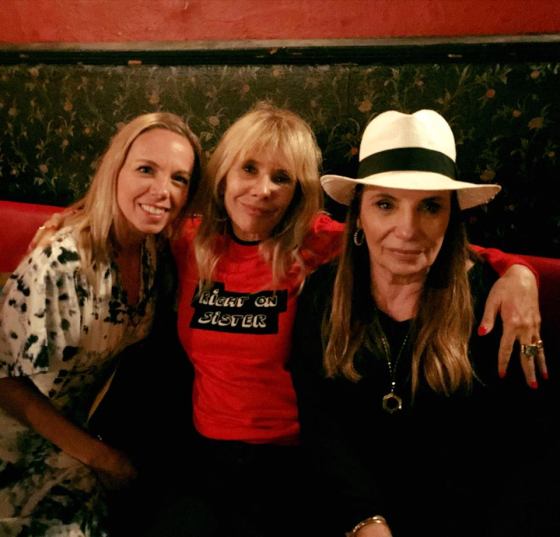
AFLW East Coast Salon at KGB on May 30th.Writers: Jennifer Baker, Alison Kinney, Ysabel Y. Gonzalez, Michael J Seidlinger, Tobias Carroll, and Marnie Goodfriend. Also in attendance, Rosanna Arquette and friends.
Wreckage of Reason Book Tour: Elizabeth Bachner talks to Lillian Ann Slugocki
EB: I love the brilliant and playful way your feminist deconstruction of A Streetcar Named Desire approaches these questions. What are your ways of thinking about autobiography versus fiction, “real” versus imaginary or invented? How do you use yourself in your work? How does your work change and shape your life?
The Cambridge Writers’ Workshop’s CREDO: An Anthology of Manifestos and Sourcebook for Creative Writing C&R Press, Spring 2018
A raw look at what motivates 21st century authors. CREDO is a triad of creative writing manifestos, essays on the craft of writing, and creative writing exercises. These manifestos interrogate and harken back to the modernist manifestos of the early 20th century.