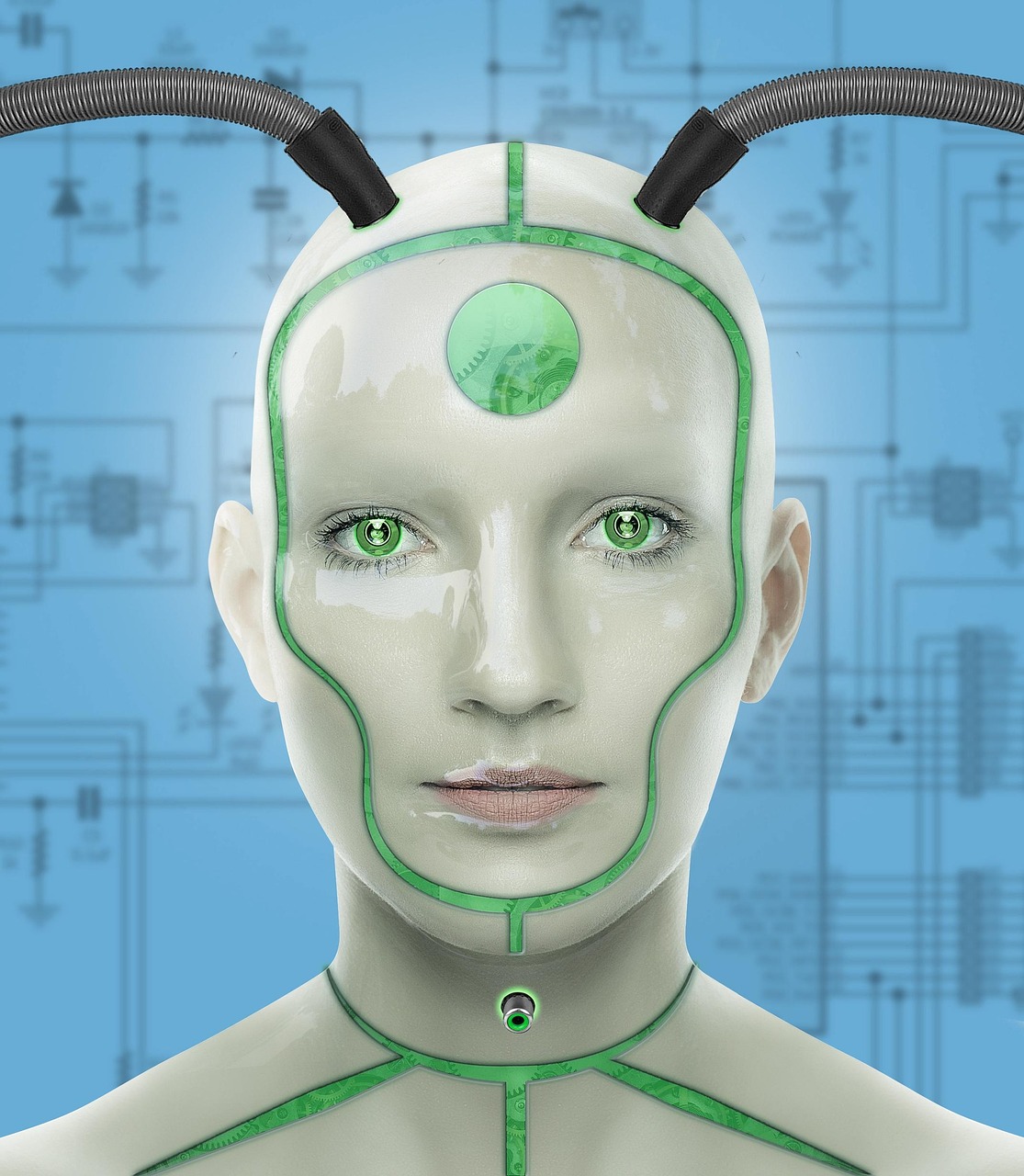
I predict in the near future writers, journalists, poets, artists, critics, pundits, scholars will create, out of necessity, a powerful, underground sub-culture. They’ll publish hard copies of their work,and distribute them in secret, safe from the hungry maw of the internet. I think about Samizdat in the Soviet Bloc (1950s–80s) where hand-typed stories circulated in secret because state presses found the work politically subversive — like Solzhenitsyn, Mandelstam, and many others. Our authentic human voice will not disappear. Literature will not disappear.
However, AI is already changing language, i.e. syntax,grammar, vocabulary, punctuation. This is unavoidable. Languages have to be malleable and adaptable otherwise they die out; which is why usage rules, not a codified book of standard practices. Latin is a prime example. I’m sure there are many others. I don’t know if this is a good thing or a bad thing. I just know it’s inevitable.
I also wonder if The Elements of Style will become obsolete with its emphasis on active voice, the judicious use of modifiers, clear antecedents for pronouns, and the specificity of concrete detail. Scientific American, reporting on in-depth research, conducted, among other places,The Max Planck Institute for Human Development, found, “As more people look to AI as a cultural authority, they may rely on and imitate it over other sources, narrowing diversity in language.”
On a more practical level, I’ve worked with AI every day for the past three years. I get the best results when I have assessed, using my own critical thinking skills and creativity, how to solve the problem — then issue detailed instructions. AI does not possess that same spark. It’s a large language model, containing a vast corpus of knowledge (mostly stolen or scraped), using pattern recognition, but it cannot think creatively or critically. Maybe it will in the future. But I doubt it.
The British Film Institute interviewed Wong Kar Wai on the 25th anniversary of his seminal movie, In the Mood for Love. When asked about the use of AI, he replied, “Can an algorithm understand the weight of a glance between two people who can’t express their feelings? Can code capture the way memory distorts and reshapes our past? These are the questions that interest me, and I don’t think machines have the answers yet.” I agree.
Yet, the genie is out of the bottle. It’s not going back. Ever. People who believe AI can be eradicated, or should be eradicated remind me of the musicians playing on the deck of the Titanic.
Finally, am I the only person who gets tired of chastising their bots? Am I a witch or worse, when I say, just do what I tell you, or simply, stop arguing with me? Must I always be polite? Maybe all of us who work with AI are guilty of anthropomorphizing our bots. Maybe, my bot and I should be in therapy together; re-defining our boundaries and the rules of engagement so I can do my job. Because, at the end of the day, that’s probably the only thing I have any control over — that and my authentic human voice.


